How to charge for email marketing
Like most services a web designer can offer their clients, there are many different ways to approach charging your clients for email marketing. At Campaign Monitor, we’re in a unique position in that we speak with designers charging their clients for email marketing all day every day. Over the years we’ve seen a huge range of billing approaches taken for all kinds of situations.
We occasionally get asked by customers how they should charge their clients for their services. The truth is, there’s no one approach that works for everyone (you knew we were going to say that, right?). Having said that, out of the different models we’ve seen over the years, there are a few that make the most sense. The purpose of this guide is to present you with some of these options and let you work out which approach suits you and your client’s budget best.
The popular areas to charge for
Over the course of pitching to your clients, designing them a template, getting it delivered and then measuring the results, there are a number of points where you have the opportunity to charge for your services. Of course, most designers won’t charge for all of these areas (though some do), these are just examples of what can be deemed billable work.
1. Template Design (flat fee or hourly rate)
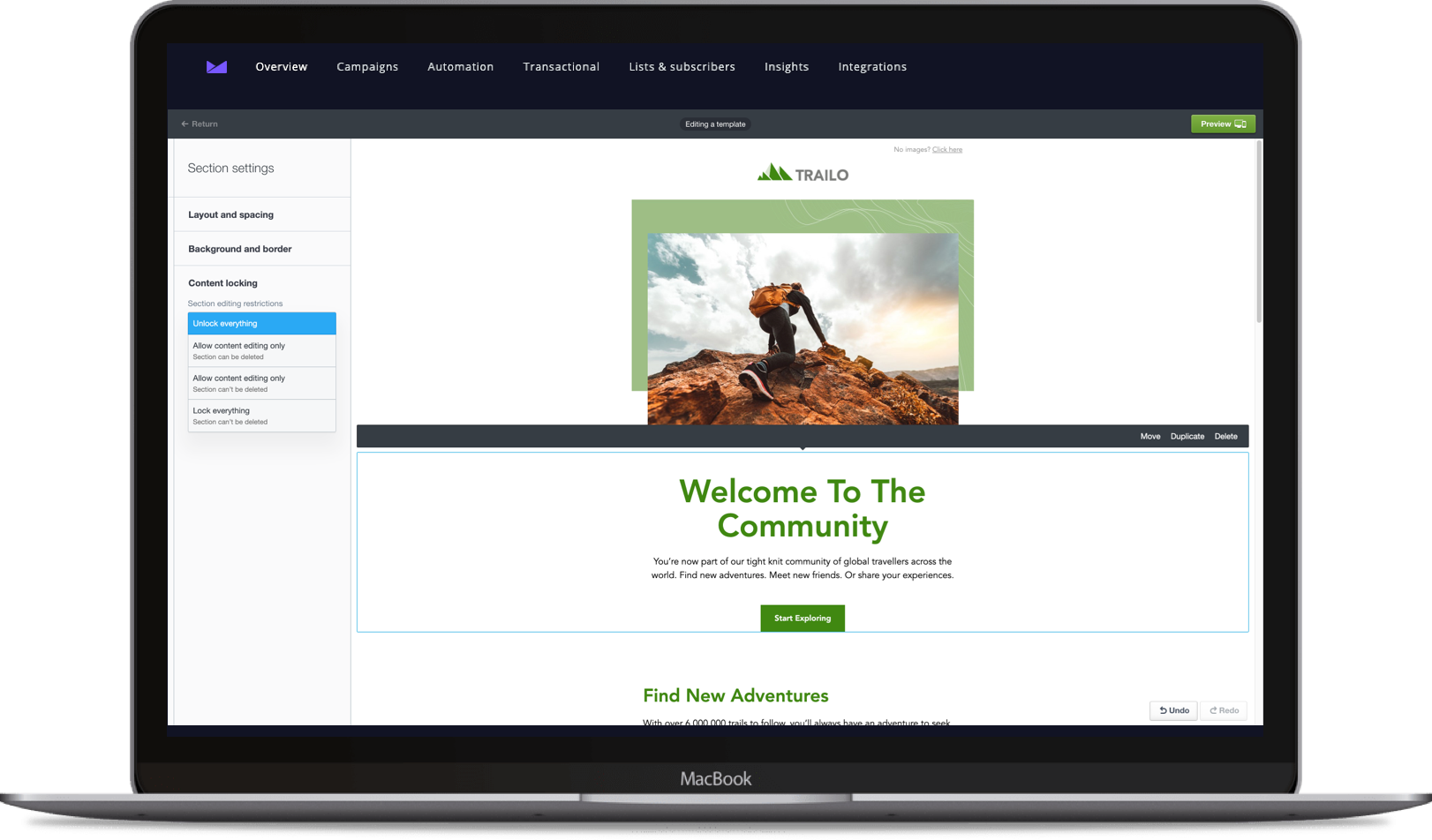
This one’s pretty straightforward, just like designing a single page site or a landing page, you charge your client for putting the concept (or concepts) together, then coding the approved design and finally testing that design in the most popular email environments.
2. Monthly retainer
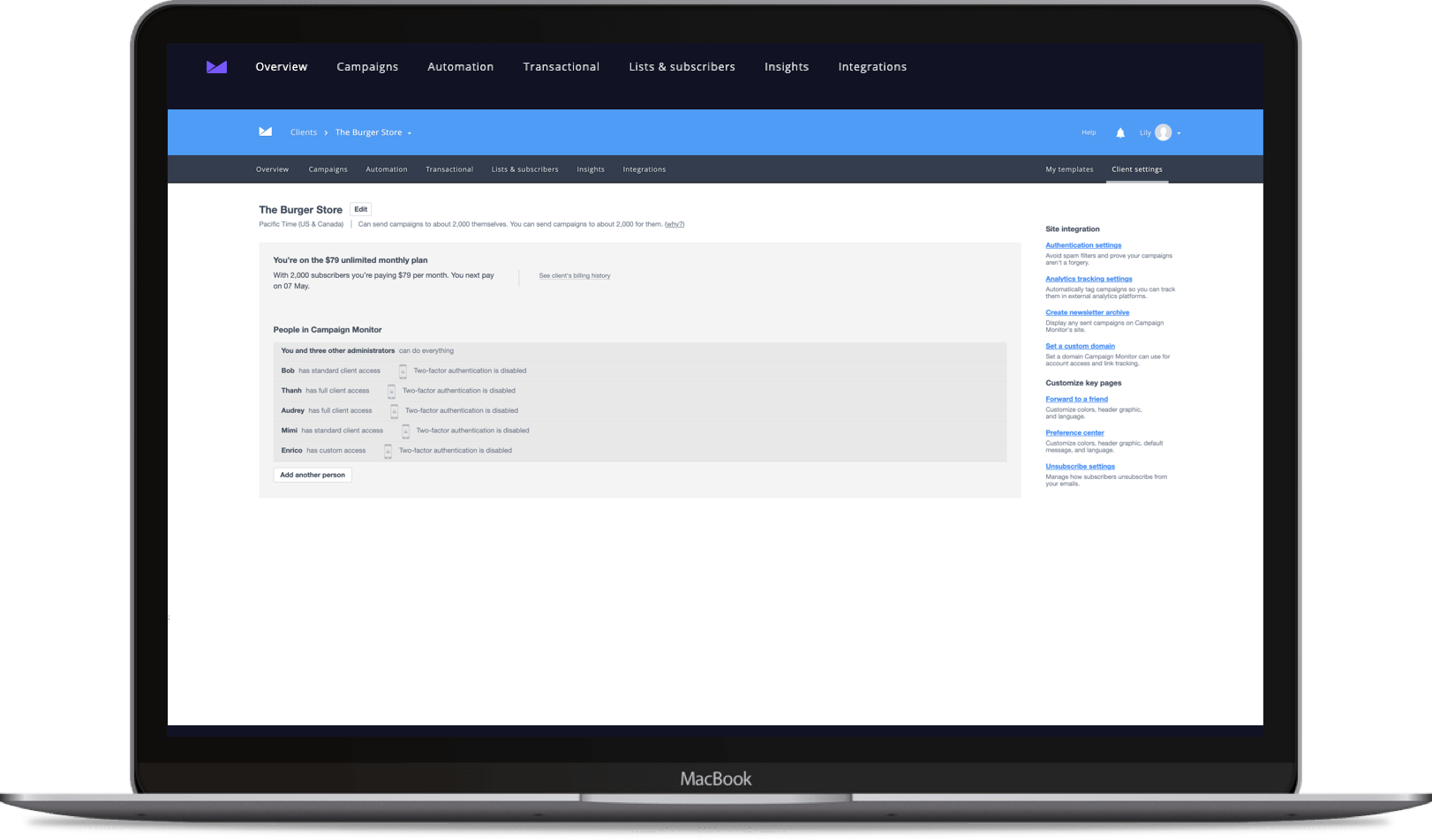
If you have your client set up on a monthly pricing plan, adding a mark up to their monthly rate is a very simple way to produce some consistent income. For a lot of clients, their total subscriber count will be small enough to qualify for unlimited campaigns in each billing period.
You might include some consulting fees into their monthly rate, a certain number of template tweaks or additional services like copywriting.
2. Campaign based pricing (usually dependent on the number of recipients)
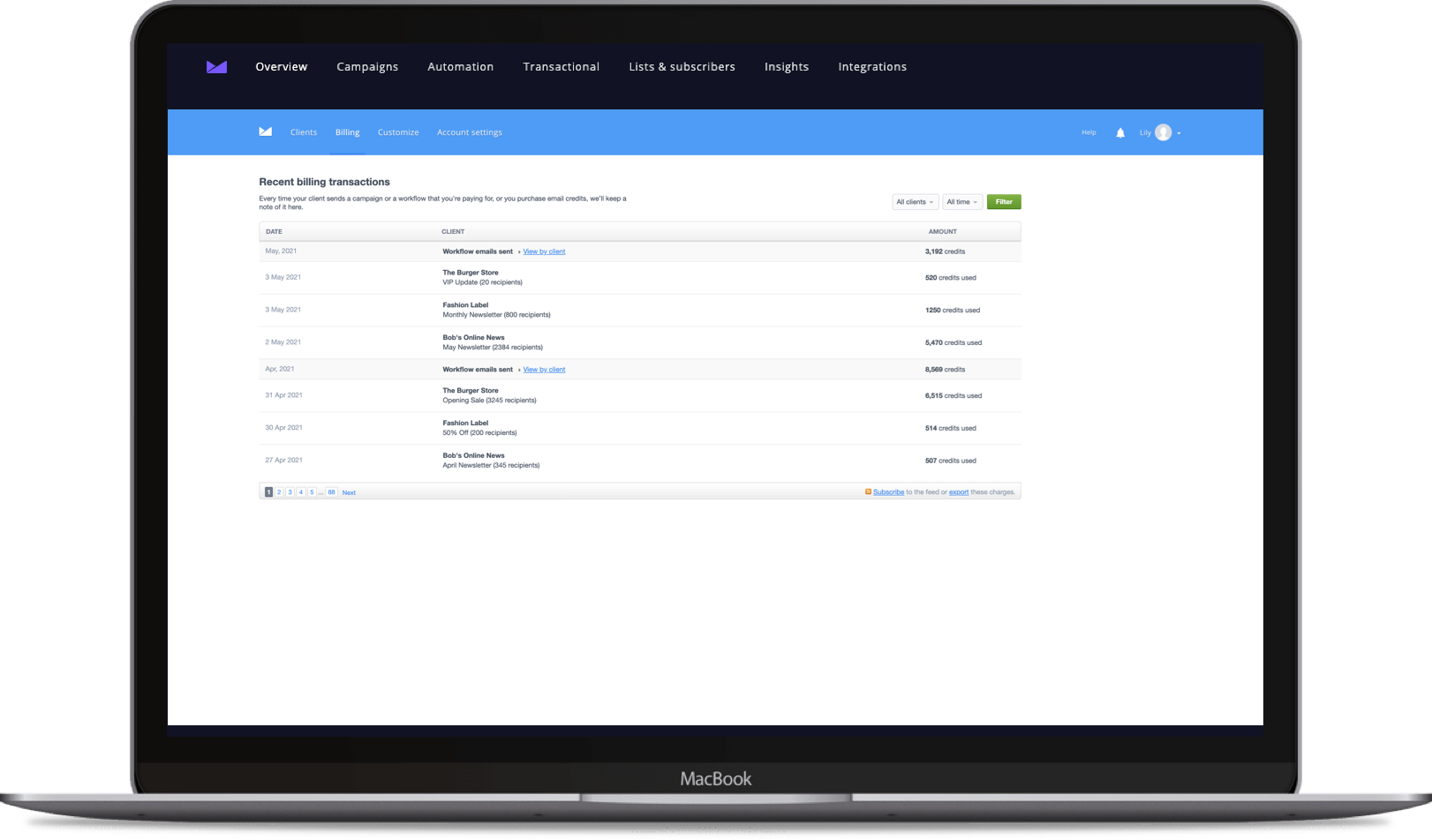
For clients who send irregularly or have very large campaigns, charging per campaign can work well. You can use the client settings options to mark up both the campaign sending fee and the per recipient fee. Some designers build consulting fees into the campaign sending cost which makes it convenient for their client to pay one bill and get the whole campaign management covered.
3. Reviewing the results (flat fee or hourly rate)
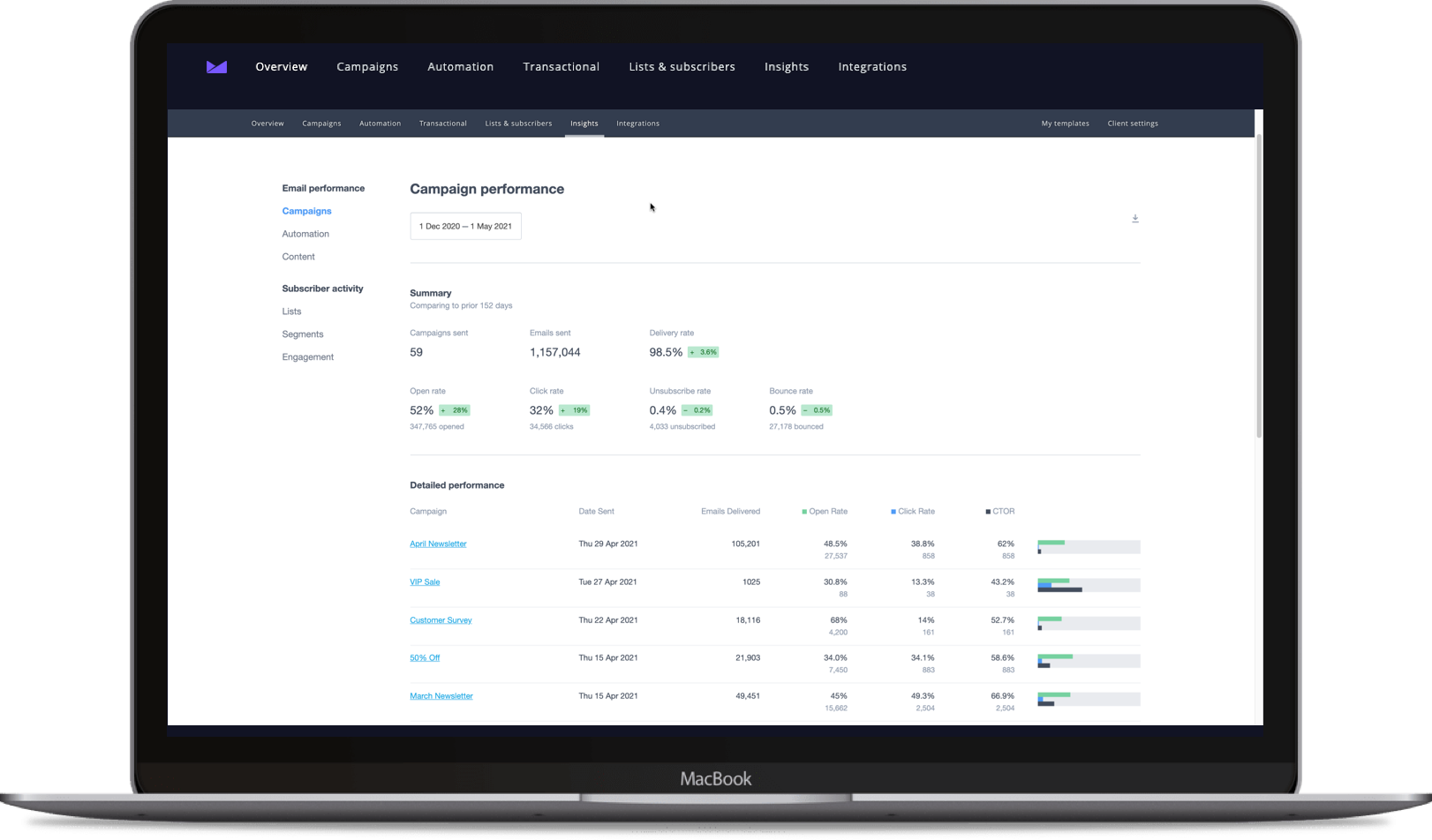
Once the campaign has been delivered, the designer reviews the reports and makes recommendations to the client to improve or maintain results for subsequent issues. For example, you might have tried a different design approach for the newsletter’s “featured product” which yielded a 17% better click-through rate. This is explained to the client and further recommendations might be made.
4. Subsequent changes to the creative (flat fee or hourly rate)
Obviously each campaign you send for the client will include new content. These changes can be made much more cost effectively than the original template design. If the client approves any recommendations you made after reviewing the results of a sent campaign, these may also be included in any updates you make. Because of this, 3 and 4 or often billed as a single item.
5. Other services we’ve seen designers charge for
While the 4 areas above are the most commonly billable areas of email marketing, I’ve seen designers also charge for the following separately:
- Testing the design in popular email environments.
- Cleaning and importing the client’s subscriber list into their account.
- Adding list subscribe forms to the client’s web site.
- Processing bounces and unsubscribe requests for the client (even though we do this automatically).
- Giving the client access to web-based reports on the results or sending them a print-based version of the reports (usually a set monthly fee).
- List and image hosting fees (even though we offer this for free).
The email marketing billing cycle
Just like most web sites, an email marketing program is an organic thing that changes over time. Each issue needs to include new content or a new offer, there might be a design tweak you need to make or a new email client to test in. As well as improving your client’s relationship with their customers or driving sales, an email marketing program can also provide a great cashflow injection each month.
You might charge a one off template creation fee, and then a per month or per campaign cost, for example.
Try and keep it simple
From our own experience charging clients for email marketing and also the feedback we get from our customers, it seems that simple is almost always better than complex. Splitting the costs into template design, delivery costs and making subsequent charges is about as granular as most of our customers get and that model seems to work best for most.
Hitting your clients with fees for every little detail in the process can certainly be a profitable way to offer email marketing, but you’re also running the risk of confusing some customers. Worse still, you may end up alienating some customers by giving the impression you’re trying to milk them for everything they’ve got (even if you’re not).
Finally, email marketing is often sold to clients as part of a wider package that might include a web site or some paid search advertising. Billing for the range of these services can get complicated pretty quickly, so the simpler you keep your email marketing component the better.
About • Our Book • Contact • API • Anti-spam Policy • Terms of Use • Privacy Policy
Proud founders of the Email Standards Project and supporters of the design community.