Introduction
Email marketing remains one of the most effective ways for law firms to nurture client relationships and convert prospects into clients. With the right approach, your firm can leverage this powerful channel to establish authority, demonstrate expertise, and ultimately win more business.
Here’s what you’ll discover in this article:
- How to segment your email list for maximum impact and relevance
- The exact types of emails that generate consultations and referrals
- Automation strategies that save time while maintaining the personal touch clients expect
TL;DR: Proven Email Marketing Tips for Law Firms
- Segment your audience by practice area, case status, and engagement level to deliver hyper-relevant content
- Personalize beyond just names by referencing specific legal concerns and previous interactions
- Automate client journeys with welcome sequences, consultation follow-ups, and case milestone messages
- Create compelling legal newsletters that blend educational content with subtle promotion
- Optimize subject lines for higher open rates by focusing on client benefits and avoiding spam complaints and triggers
- Track and analyze key metrics (opens, clicks, conversions) to continuously refine your approach

8 Essential Email Marketing Strategies for Law Firms
Email marketing can be a game-changer for law firms looking to engage clients, build trust, and grow their practice. With the right strategies in place, you can effectively communicate the legal services, share valuable legal insights, and stay top-of-mind with potential clients.
Let’s dive into the email marketing best practices for law firms.
#1) Segment Your Email List Like a Pro
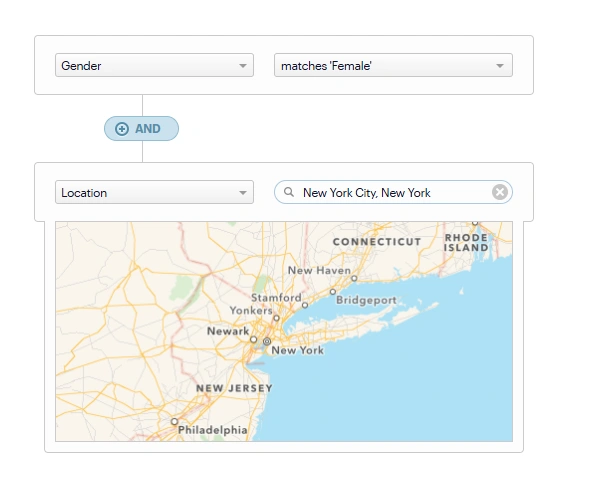
Generic mass emails no longer cut it in today’s competitive legal landscape. Effective email marketing for lawyers requires strategic segmentation to ensure your messages resonate with different audience groups.
Here’s how to segment your law firm’s email list:
- By practice area interest – Send family law updates only to those who’ve expressed interest in divorce or custody matters
- By client status – Create separate content for:
- Prospective clients (educational content that builds trust)
- Current clients (case updates and additional service offerings)
- Past clients (referral requests and re-engagement campaigns)
- By engagement level – Tailor your approach based on how recipients interact with your emails:
- Highly engaged contacts (deeper content, specific service offerings)
- Moderately engaged (re-engagement campaigns with valuable insights)
- Cold contacts (re-introduction campaigns with broad value propositions)
P.S. With Advanced Segmentation, you can build audience segments using detailed client data, making your campaigns more relevant and high-performing.
#2) Personalize Your Emails
Personalization in legal email marketing goes far beyond inserting a first name in the greeting. Today’s clients expect communications that reflect their specific situations and needs.
Effective personalization strategies include:
- Reference specific legal concerns they’ve previously mentioned
- Acknowledge past interactions (consultations, webinar attendance, downloaded guides)
- Tailor content based on their industry (for business clients) or life situation (for individual clients)
- Use dynamic content blocks to show different information to different segments within the same email
For example, instead of sending a generic legal update to everyone, personal injury lawyers could send accident-specific information to car accident clients versus workplace injury clients.
BTW, with our Dynamic Content Blocks, you can display tailored content based on subscriber data within a single email—no need for cloning. Plus, the Subscriber Preference Center allows contacts to update their preferences, improving data accuracy and targeting.
#3) Automate Client Journeys Without Losing the Personal Touch
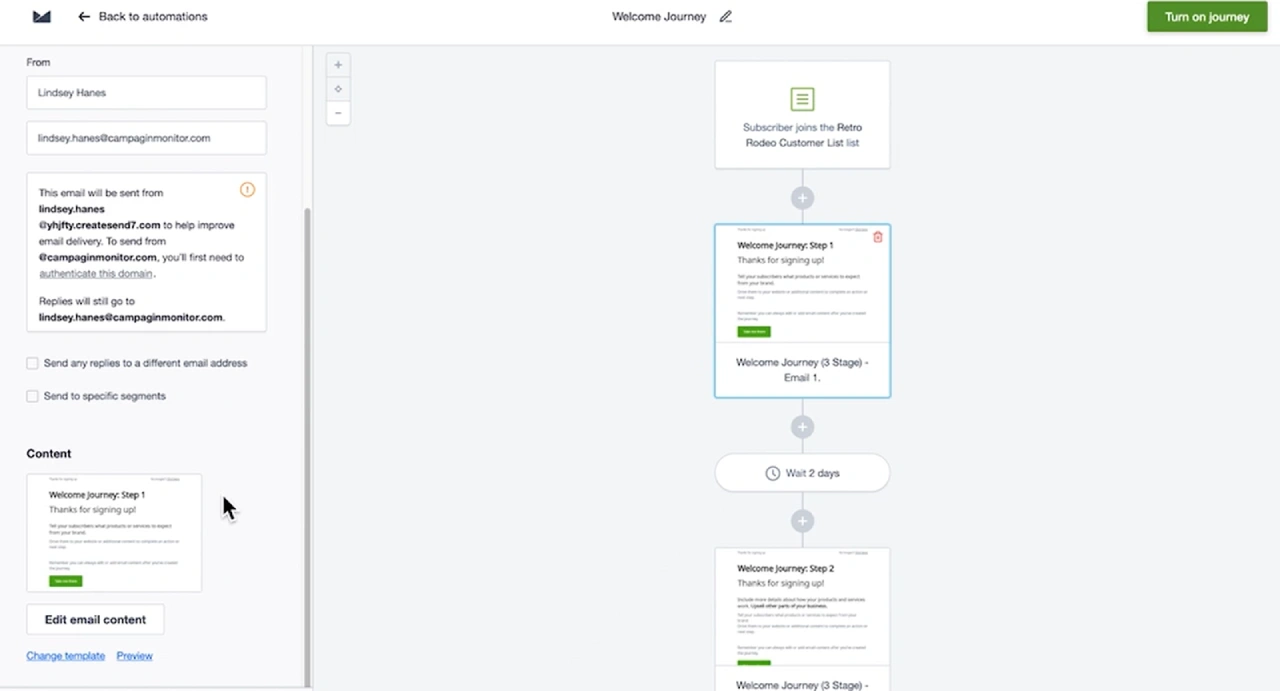
Automation can help elevate your email marketing efforts while saving you time. It also helps maintain consistent communication with your prospective and existing clients.
Key automation workflows every law firm should implement:
1. Welcome sequence for new subscribers
- Email 1: Introduction to your firm and attorneys
- Email 2: Educational content relevant to their indicated interests
- Email 3: Invitation to schedule a consultation
2. Consultation follow-up sequence
- Email 1: Thank you (same day)
- Email 2: Additional resources (2-3 days later)
- Email 3: Gentle follow-up (5-7 days later)
3. Case milestone messages
- Automatically triggered updates at key points in the legal process
- Celebration emails when cases conclude successfully
Our Automated Customer Journey Builder lets you set up behavior-triggered workflows that deliver personalized messages automatically, all with an easy drag-and-drop builder—no technical skills required!
#4) Create Compelling Legal Newsletters That Get Read
Legal newsletters are a staple of law firm email marketing, but many fail to engage readers. The key is balancing educational content with subtle promotion.
Elements of successful legal newsletters:
- Clear, benefit-focused subject lines (e.g., “3 Estate Planning Mistakes That Could Cost Your Family Thousands”)
- Scannable format with bullet points, subheadings, and short paragraphs
- Mix of content types:
- Recent case studies (anonymized appropriately)
- Legal updates and how they affect clients
- Firm news that demonstrates growth and success
- Helpful resources and tools
Content ratio guideline: Aim for 80% educational/valuable content and 20% promotional content to maintain reader interest while still driving business goals.
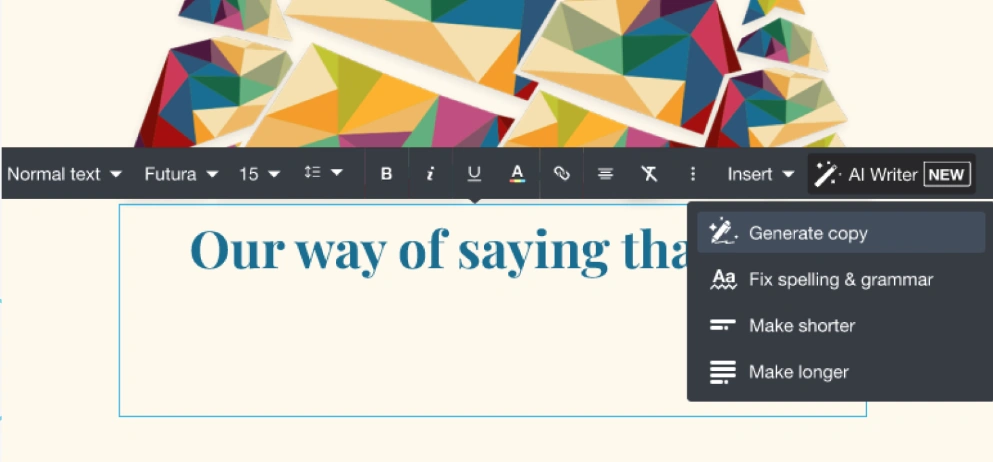
Our AI Writing Tool helps you brainstorm ideas, repurpose content, and optimize CTAs with ease. Plus, you can adapt your content for specific audiences to increase engagement.
#5) Create Compelling Subject Lines That Actually Get Opened!
The subject line determines whether your carefully crafted email gets opened or ignored. For law firms, this is particularly challenging as legal topics can sometimes seem dry or technical.
Subject line best practices for legal emails:
- Keep it around 41 characters to ensure full visibility on mobile devices
- Focus on client benefits rather than legal concepts
- Create a sense of urgency when appropriate (but avoid false urgency)
- Ask questions that address common legal concerns
- Avoid spam trigger words like “free,” “guarantee,” or excessive punctuation
Before/after examples:
- ❌ “Monthly Newsletter from Smith Law Partners”
- ✅ “3 Recent Court Decisions That Could Affect Your Business”
- ❌ “Information About Estate Planning Services”
- ✅ “Is Your Family Protected? Estate Planning Gaps Most People Miss”
Side note: Our A/B testing engine allows you to test different subject lines, CTAs, and content blocks with a portion of your audience before sending it to everyone, helping you identify what resonates best with your specific clients.

#6) Make Your Emails Mobile-Friendly (It’s Non-Negotiable)
We all know by now that optimizing your emails for mobile devices is crucial as most people check their emails on the go and most likely, this is true for your clients as well!
Mobile optimization essentials:
- Responsive templates that automatically adjust to screen size
- Single-column layouts for easier mobile reading
- Large, tap-friendly buttons for calls-to-action
- Concise content that gets to the point quickly
- Properly sized images that load quickly on mobile networks
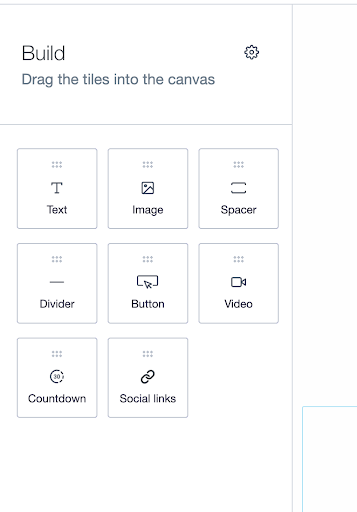
Looking for an easy way to design professional emails? Campaign Monitor offers two paths: use the Drag-and-Drop Email Builder to create stunning emails without coding, or choose from a selection of Responsive Templates that are mobile-optimized to ensure your marketing emails always shine on any device!
#7) Stay Compliant With Email Regulations
Note: This content is for informational purposes only and does not constitute legal or regulatory advice. Campaign Monitor is not configured to process or store confidential legal data or communications protected by attorney-client privilege.
Law firms face dual compliance challenges: general email marketing laws and legal-specific advertising regulations.
Essential compliance considerations:
- Include your physical address in every email (required by CAN-SPAM Act)
- Provide clear unsubscribe options that work with one click
- Never use misleading subject lines or sender information
- Be cautious with legal claims and results-oriented language
- Include appropriate disclaimers about attorney-client relationships
- Follow state bar association rules regarding attorney advertising
Compliance checklist: Before sending any email, verify it includes proper identification, unsubscribe mechanism, and appropriate disclaimers while avoiding language that could violate bar association rules.
#8) Track and Analyze the Right Metrics
Measuring performance is crucial for refining your legal marketing strategy over time.
Key metrics to monitor:
| Metric | Specific Improvement Strategy |
|---|---|
| Open Rate | Replace generic subject lines with specific legal issues (e.g., “New Tax Law Affects Your Business” instead of “Legal Update”) |
| Click Through Rates | Move your primary CTA above the fold and use action-oriented language that addresses a specific pain point |
| Consultation Bookings | Add social proof elements near booking links (e.g., “Join the 27 clients who scheduled consultations this month”) |
| List Growth Rate | Create practice area-specific lead magnets rather than generic guides (e.g., “Divorce Process Timeline” vs “Legal Guide”) |
| Unsubscribe Rate | Implement a preference center allowing subscribers to select topics and frequency rather than unsubscribing completely (BTW, Campaign Monitor offers this) |
| Forward/Share Rate | Add “Forward to a Colleague” buttons with pre-populated text in emails containing legal updates |
| Client Engagement Time | Break long content into scannable sections with descriptive subheadings and bullet points |
Analytics approach: Set up a monthly review of these metrics, looking for trends rather than focusing on individual emails. Use this data to inform content adjustments and segmentation strategies.
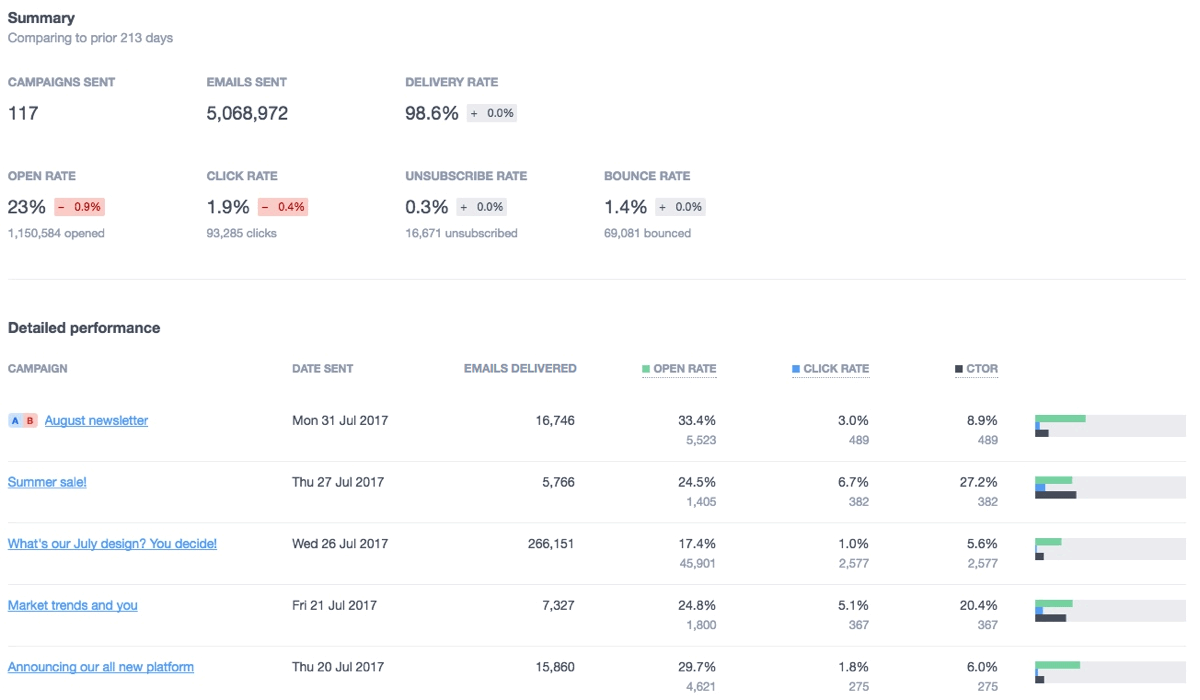
With Campaign Monitor’s Live Performance Dashboards, you can monitor your campaigns, automations, and transactional emails in real time. Plus, Full Engagement Reports give you in-depth metrics on opens, clicks, bounces, shares, and unsubscribes—so you can easily fine-tune your strategy!
Read Next:
4 Types of Email Marketing Campaigns for Lawyers
Email marketing campaigns are the backbone of your law firm’s digital communication strategy. Each campaign type serves a specific purpose in nurturing relationships and moving prospects through your pipeline. Let’s explore the most effective email campaigns for legal professionals.
#1) Legal Updates & Newsletters
Legal newsletters keep your clients informed about relevant changes in the law while positioning your firm as a thought leader. These emails combine industry updates with firm news to maintain regular touchpoints with your audience without being overtly promotional.
| Email Component | Timing | Content Focus |
|---|---|---|
| Industry Update | Monthly | Legal tips, Recent legal changes with practical implications |
| Case Highlight | Quarterly | Anonymous case study showing successful outcomes + client feedback |
| Firm News | As relevant | New attorneys, office locations, or practice areas |
| Community Involvement | Quarterly | Pro bono work, sponsorships, or local events |
#2) Client Onboarding Sequences
First impressions matter immensely in the legal industry. A well-structured onboarding sequence helps new clients feel confident in their choice while streamlining the initial information-gathering process. These automated emails establish expectations and reduce administrative burden.
| Timing | Key Elements | |
|---|---|---|
| Welcome email | Immediately after signing | Firm overview, attorney bio, what happens next |
| Document Request | Day 2 | Clear list of required documents, secure upload instructions, deadline |
| Process Overview | Day 4 | Timeline visualization, explanation of key milestones, FAQs |
| Team Introduction | Day 7 | Staff photos and roles, who to contact for what, communication preferences |
| Resources & Tools | Day 10 | Client portal tutorial, helpful guides, relevant blog articles |
#3) Case Milestone & Appreciation Messages
Milestone emails acknowledge important achievements throughout the client relationship, reducing anxiety and building loyalty. These timely messages demonstrate your firm’s attentiveness and personal touch at critical moments in the legal process.
| Milestone Type | Timing | Message Focus | Follow-up Action |
|---|---|---|---|
| Case Acceptance | Upon filing | Confirmation and next steps | Schedule strategy call |
| Discovery Completion | After discovery phase | Progress acknowledgment and timeline update | Review collected evidence |
| Settlement/Resolution | Upon case resolution | Celebration and outcome summary | Request testimonial |
| Case Anniversary | 1 year after resolution | Continued care and relationship maintenance | Offer annual legal checkup |
| Referral Request | 2 weeks post-resolution | Gratitude and business development | Provide easy sharing options |
#4) Educational Content Campaigns
Educational emails establish your firm’s expertise while providing genuine value to prospects who aren’t yet ready to hire an attorney. These campaigns nurture leads by addressing common questions and concerns, positioning your firm as the natural choice when legal needs arise.
| Email Type | Frequency | Content Format |
|---|---|---|
| Legal FAQ Series | Bi-weekly | Question and concise expert answer |
| “Ask the Attorney” | Monthly | Video response to submitted questions |
| Legal Guides | Quarterly | Multi-part series on complex legal concepts |
| Law Change Alerts | As needed | Plain-language explanation of new legislation |
| Case Study Breakdown | Monthly | Anonymized case with key lessons |
Read Next:
Ethical and Effective List-Building Strategies
Growing your contact list is essential for expanding your reach, but law firms must be particularly careful to use ethical methods that protect privacy and comply with regulations.
Here’s how lawyers can collect email addresses:
- Website opt-in forms with compelling lead magnets:
- Free legal guides relevant to your practice areas
- Checklists (e.g., “10-Point Checklist for Choosing the Right Business Structure”)
- Case evaluation tools or calculators
- Webinars and educational events with registration that includes email opt-in
- Networking events where you collect business cards (with permission to follow up)
- Client intake forms with clear opt-in language for marketing communications
- Content upgrades on your blog posts (additional resources in exchange for email)
Important: Never purchase email lists or add contacts without explicit permission. This violates regulations and damages your firm’s reputation.
Create Lead Magnets That Actually Convert
The quality of your lead magnet directly impacts both the quantity and quality of your email subscribers.
Characteristics of high-converting legal lead magnets:
- Addresses a specific pain point or answers a common question
- Delivers immediate value without requiring extensive reading
- Demonstrates your expertise without being overly technical
- Has a compelling, benefit-focused title
- Is professionally designed to reflect your firm’s standards
Example lead magnets by practice area:
- Personal injury: “Post-Accident Checklist: 7 Critical Steps to Protect Your Rights”
- Estate planning: “Family Protection Toolkit: Essential Documents Everyone Needs”
- Business law: “Startup Legal Framework: Key Contracts for Your New Business”
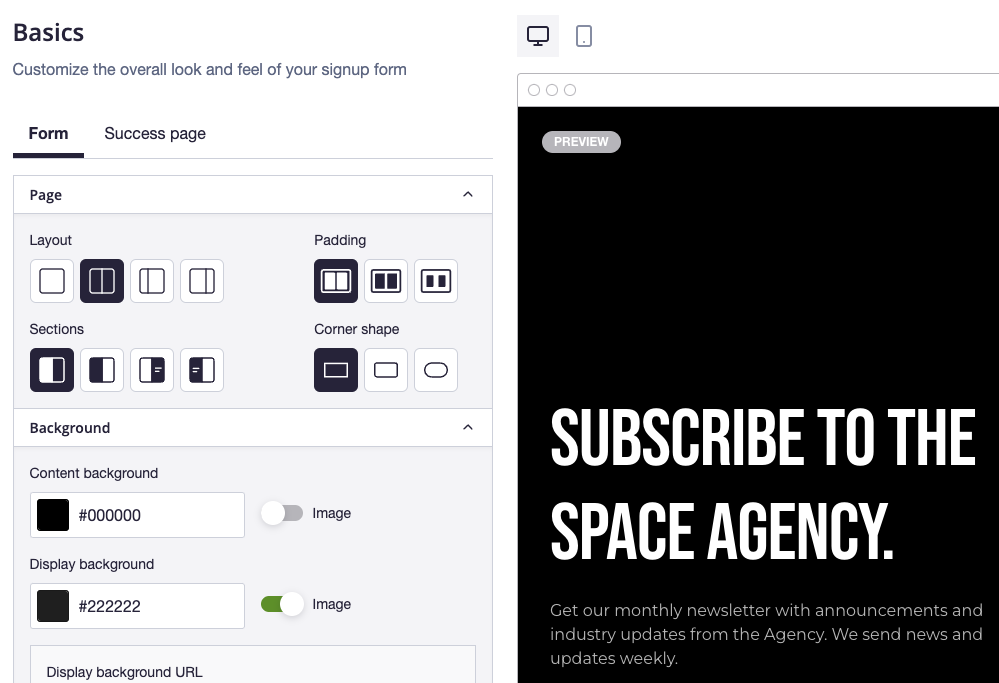
P.S. With our Custom Form Builder, you can easily create responsive signup forms, landing pages, and subscribe buttons. You can also easily customize colors, fonts, and fields to perfectly match your brand—no development work needed!
Read Next:
Struggling with Email Marketing? Try Campaign Monitor Today!
When implemented strategically, email marketing becomes one of your law firm’s most powerful tools for client acquisition and retention.
Key takeaways:
- Segment your audience to deliver highly relevant content that addresses specific legal concerns
- Personalize communications beyond basic fields to create meaningful connections
- Implement automation workflows that nurture leads and maintain client relationships without consuming billable hours
P.S. Campaign Monitor provides everything you need to run successful email marketing campaigns. From our advanced segmentation and personalization tools to automated workflows and real-time performance tracking, we’ve got you covered. Simplify your email marketing strategy today!


The #1 Salesforce Tool
Combine your account with Salesforce using the #1 integration, and experience better email.
Learn More
Case Study
This nonprofit uses advanced tools and automation to create more emails—and more time.
Learn how
The email platform for agencies
We started out helping agencies with email, so let us help you.