Introduction
Ever wonder why some startups grow exponentially while others struggle? The difference often lies in how effectively they nurture customer relationships. Email marketing generates $44 for every dollar spent, yet many founders overlook it entirely or implement it ineffectively, missing crucial opportunities to convert subscribers into customers.
In this comprehensive guide, you’ll discover:
- The 5 email sequences that drove 20% of On Running’s e-commerce revenue
- The 9 key startup implementation strategies that turn first-time subscribers into loyal customers
- How to design mobile-friendly email templates that double industry-average open rates
Ready? Let’s go.
TL;DR
- Welcome series: Send 5 emails over 10 days—day 1 welcome with lead magnet, day 2 product intro, day 4 use case, day 7 social proof, day 10 conversion offer
- Educational emails: Solve problems. Use scannable templates. Include actionable takeaways and visual elements.
- Promotional emails: Follow ratio guidelines—3:1 educational-to-promotional for early stage, 2:1 for growth stage, 1:1 for established businesses
- Transactional emails: Add branding to confirmations. Include helpful resources. Add personalized recommendations. Provide clear support options.
- Re-engagement: Target inactive subscribers with exclusive offers (“25% off”), content roundups (“Top resources from 2024”), feedback requests, and preference updates

5 Startup Email Marketing Sequences that Convert
Different email types serve different purposes in your marketing strategy. Understanding when and how to use each type will help you create a comprehensive email program that guides prospects through their customer journey.
#1) Welcome Emails
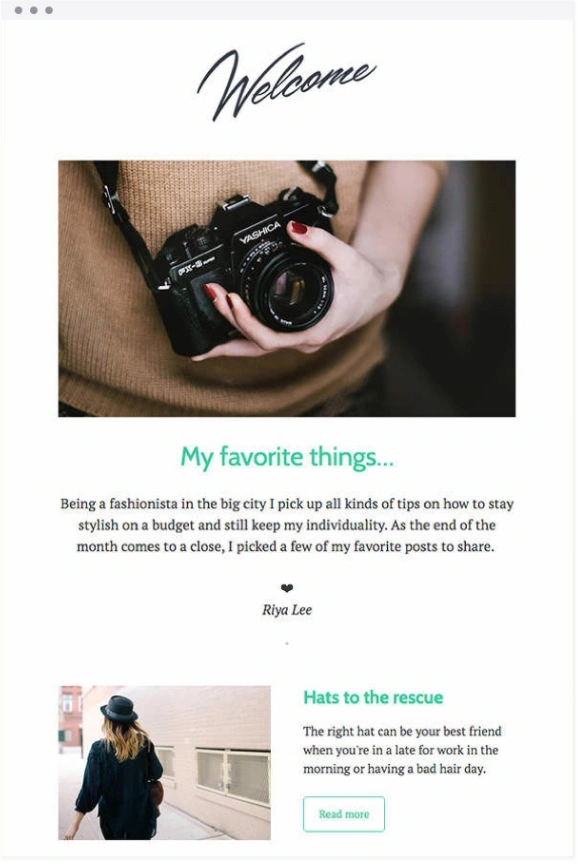
The welcome email is your first impression and typically generates the highest engagement rates of any message you’ll send. This critical touchpoint sets expectations and begins building a relationship with new subscribers.
Key elements of effective welcome emails:
- Personalized greeting that acknowledges how they joined your list
- Clear outline of what they can expect from your emails
- Immediate value delivery (the lead magnet they signed up for)
- Brief introduction to your brand and unique value proposition
- Next steps or quick wins they can achieve
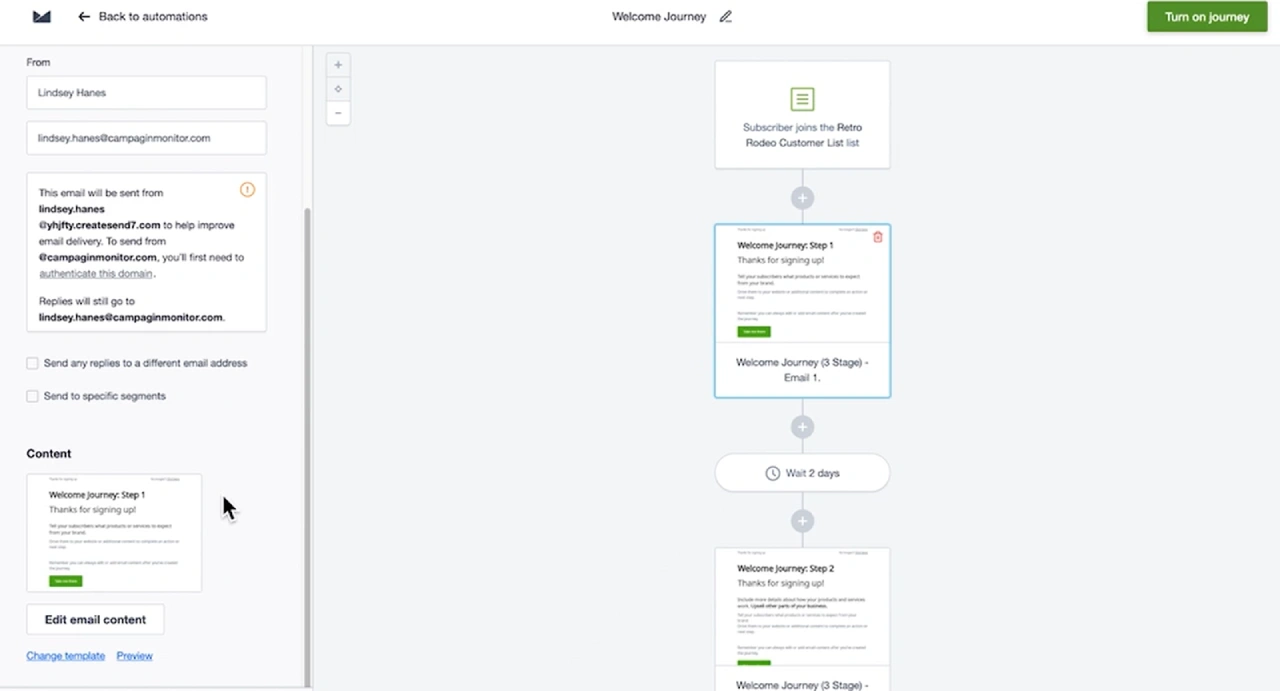
Example welcome sequence for a SaaS startup:
| Timing | Key Content | |
|---|---|---|
| Initial welcome | Immediately after signup | Download link, what to expect, frequency |
| Product introduction | Day 2 | Brief overview, success story, key differentiators |
| Use case showcase | Day 4 | Specific problem solved, step-by-step solution |
| Social proof | Day 7 | Customer testimonials, case study highlights |
| Soft conversion | Day 10 | Limited-time offer, risk-free guarantee |
Campaign Monitor’s automation features make it easy to set up this entire sequence to trigger automatically after a new signup, ensuring consistent communication without requiring manual intervention.
#2) Educational Content Emails

Source: ReallyGoodEmails (https://files.reallygoodemails.com/emails/wish-your-hair-color-would-last.png)
Educational emails establish your expertise and provide genuine value to subscribers, building trust before you ask for a purchase. This approach is particularly effective for startups still establishing brand recognition.
Best practices for educational content emails:
- Focus on solving problems rather than promoting features
- Use a consistent format that’s easy to scan and digest
- Include actionable takeaways subscribers can implement immediately
- Incorporate visual elements like screenshots, infographics, or videos
- Link to additional resources on your website to drive traffic
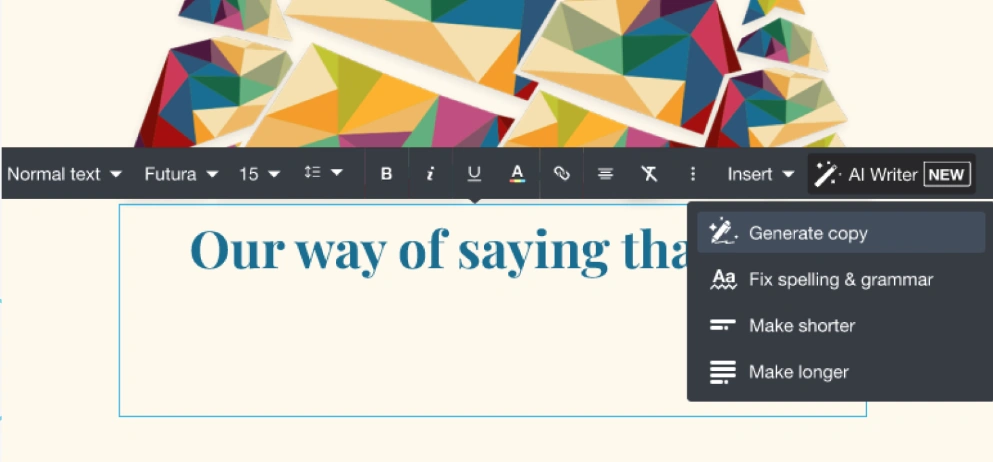
Campaign Monitor’s AI Writer tool can help brainstorm educational content ideas when you’re stuck, suggesting topics that resonate with your audience based on industry trends and engagement data.
#3) Promotional Emails

While educational content builds relationships, promotional emails drive conversions. The key is finding the right balance—too many promotional messages will increase unsubscribes, while too few will limit revenue opportunities.
Effective promotional emails for startups:
- Focus on benefits rather than features
- Create urgency without being pushy
- Use social proof to reduce perceived risk
- Include clear, compelling calls-to-action
- Maintain brand voice even when promoting
Campaign Monitor’s countdown timer blocks (available on Essentials and Premier plans) can add genuine urgency to limited-time offers, showing the exact time remaining until a promotion expires.
Promotional email frequency guidelines for startups:
| Business Stage | Recommended Promotional Frequency | Ratio to Educational Content |
|---|---|---|
| Early stage (0-6 months) | 1-2 promotional emails monthly | 3:1 (educational:promotional) |
| Growth stage (6-18 months) | 2-4 promotional emails monthly | 2:1 (educational:promotional) |
| Established (18+ months) | 4-8 promotional emails monthly | 1:1 (educational:promotional) |
This framework prevents the common startup mistake of either overwhelming subscribers with too many promotional emails or disappearing from inboxes for too long.
#4) Transactional Emails
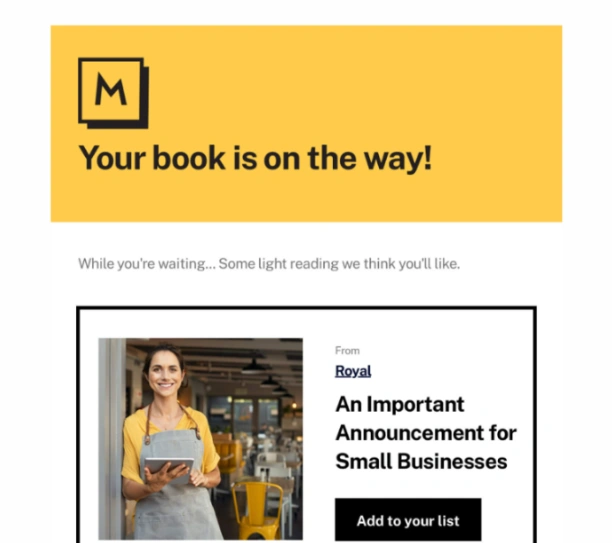
Transactional emails—triggered by specific user actions like purchases, password resets, or account changes—have significantly higher open rates than marketing emails. This makes them valuable opportunities to enhance the customer experience and drive additional engagement.
Types of transactional emails startups should optimize:
- Purchase confirmations
- Shipping notifications
- Account creation confirmations
- Password resets
- Subscription renewals
Transactional email optimization tips:
- Maintain brand consistency across all emails
- Include helpful resources related to their purchase or action
- Add personalized recommendations for complementary products
- Request feedback at appropriate moments
- Provide clear support options if they need assistance
For example, after a customer purchases your software, don’t just confirm the order—include links to getting started guides, video tutorials, or your knowledge base to help them succeed with your product.
Want to turn boring order confirmations into revenue opportunities? Campaign Monitor’s Unified Email Builder lets you create stunning transactional emails with drag-and-drop simplicity. Design responsive templates that look perfect on any device and add personalized recommendations that drive additional sales. No more wasted potential on those high-open-rate messages!
#5) Re-engagement Emails

Every email list experiences natural decay as subscribers’ interests change or they switch email addresses. Re-engagement campaigns help you reconnect with inactive subscribers before removing them from your list.
Signs a subscriber needs re-engagement:
- No opens or clicks in the past 3-6 months
- Declining engagement over time
- Partial form completions or abandoned carts
- Free trial expiration without conversion
Campaign Monitor’s Customer Journey builder makes this process entirely hands-off. Simply set engagement thresholds once, and the system automatically identifies inactive subscribers and guides them through your re-engagement sequence at the optimal times
Re-engagement email samples
| Strategy | Example Subject Line | Timing |
|---|---|---|
| Exclusive offer | “We miss you! Here’s 25% off your next purchase” | 3-6 months of inactivity |
| Content roundup | “Did you miss these? Our top resources from 2024” | 4-5 Days after email #1 |
| Feedback request | “Help us serve you better, [Name]” | 4-5 Days after email #2 |
| Preference update | “Update your preferences to get only content you want” | 4-5 days after email #3 |
| Last chance | “Is this goodbye? Confirm your subscription” | 7 days after email #4 |
After your re-engagement campaign, remove subscribers who remain inactive. While it may be difficult to see your list size decrease, maintaining a clean list improves deliverability and provides more accurate engagement metrics.
Read Next:
Getting Started with Email Marketing for Your Startup - 9 Strategies to Apply!
The early stages of your startup are crucial for establishing effective marketing channels. Email marketing stands out as particularly valuable for startups because it offers direct access to your audience, complete ownership of your contact list, and exceptional ROI compared to other digital marketing channels.
#1) Defining Your Email Marketing Goals
Before sending your first email, establish clear objectives that align with your overall business goals. Without specific targets, you’ll struggle to measure success and optimize your email marketing efforts.
Your email marketing goals should be:
| Goal Type | Examples | Metrics to Track |
|---|---|---|
| Awareness | Introduce your brand to new subscribers | Open rates, List growth rate |
| Acquisition | Convert subscribers to free users | Click-through rates, Sign-up conversion |
| Conversion | Turn free users into paying customers | Conversion rate, Revenue per email |
| Retention | Keep existing customers engaged | Retention rate, Customer lifetime value |
For each goal, set specific KPIs and timelines. For example, rather than “increase open rates,” aim for “increase open rates from 18% to 25% within three months.”
Campaign Monitor’s live performance dashboards make tracking these metrics straightforward, allowing you to monitor campaign performance in real-time and adjust your strategy accordingly.

#2) Identify Your Target Audience
Understanding exactly who you’re emailing is fundamental to creating messages that resonate. Many startups make the mistake of targeting too broadly, resulting in generic content that fails to connect with anyone specifically.
Creating effective buyer personas requires:
- Demographic information: Age, location, job title, income level
- Psychographic details: Values, pain points, goals, challenges
- Audience insights: How they research solutions, what triggers purchase decisions
For example, if you’re launching a productivity app for small businesses, your primary persona might be “Overwhelmed Owner Olivia” – a small business owner aged 35-45 who struggles with time management and needs simple solutions that don’t require extensive training.
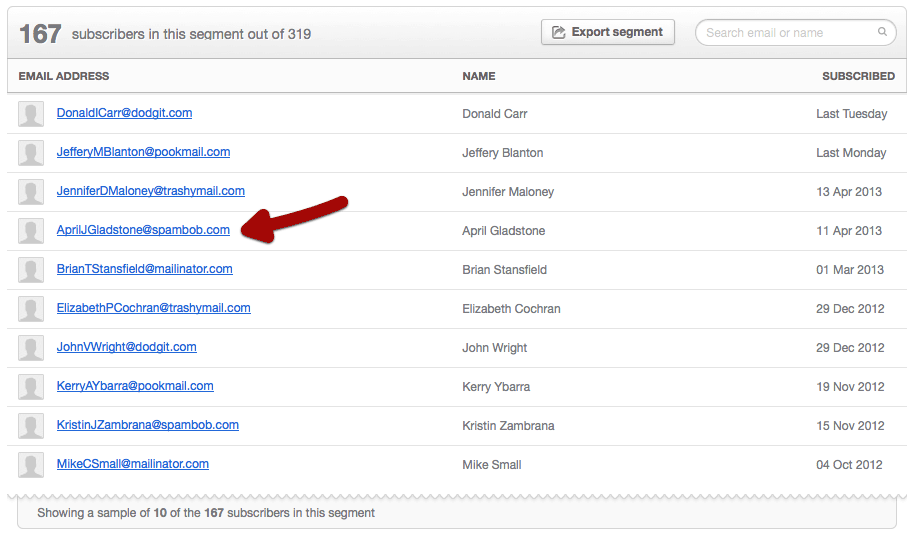
Once you’ve established your personas, use Campaign Monitor’s advanced segmentation tools to create targeted audience segments based on this data. This allows you to send highly relevant content to different subscriber groups, significantly improving engagement rates.
#3) Building Your Email List
Growing a quality email list is one of the biggest challenges for startups. While it might be tempting to purchase email lists to jumpstart your marketing, this approach typically leads to poor engagement and deliverability issues.
Ethical and effective list-building strategies include:
- Creating valuable lead magnets that address specific pain points
- Optimizing website signup forms for maximum conversion
- Using content upgrades within your blog posts
- Running targeted social media campaigns to drive signups
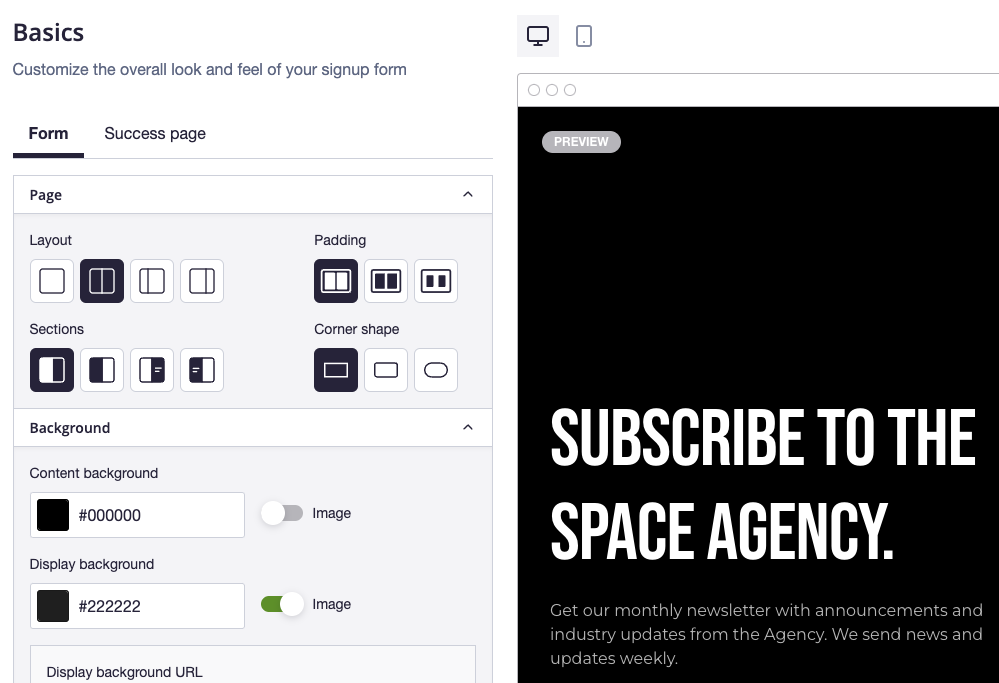
Campaign Monitor’s custom form builder allows you to create responsive, branded signup forms that integrate seamlessly with your website design.
Lead magnets that work particularly well for startups include:
| Lead Magnet Type | Best For | Example |
|---|---|---|
| Industry reports | B2B startups | “2025 State of [Your Industry] Report” |
| Templates/tools | Productivity solutions | “Social Media Content Calendar Template” |
| Checklists | Process-oriented products | “7-Point Website Security Checklist” |
| Mini-courses | Educational products | “5-Day Email Marketing Crash Course” |
| Free trials | SaaS products | “14-Day Free Access to All Premium Features” |
Remember that the quality of your list matters far more than its size. A smaller list of engaged subscribers who match your target audience will outperform a large list of uninterested contacts every time.
Read Next:
#4) Warming Up Your Email Domain
Before launching full-scale email campaigns, you need to establish your sender reputation. Email service providers track your sending patterns and recipient engagement to determine if your emails should reach the inbox or be filtered as spam.
The domain warming process typically involves:
- Setting up proper technical authentication (SPF, DKIM, DMARC records)
- Starting with small batches of emails to your most engaged contacts
- Gradually increasing volume over several weeks
- Monitoring key deliverability metrics like bounce rates and spam complaints
Campaign Monitor’s deliverability experts can guide you through this process, helping you establish a positive sender reputation from the start. The email marketing software automatically handles much of the technical setup, making it easier for startups without dedicated technical resources.
Read Next: 4 Steps To Improve Email Deliverability
#5) Crafting Compelling Subject Lines
Your subject line determines whether your email gets opened or ignored. For startups with limited brand recognition, compelling subject lines are especially crucial.
Subject line formulas that drive opens:
- Curiosity gap: “The unusual strategy that grew our waitlist by 327%”
- Value proposition: “5 templates to cut your customer acquisition cost in half”
- Social proof: “See how 1,000+ startups are using [Product] to scale”
- Urgency: “Last day to join before prices increase”
- Personalization: “[Name], your custom growth roadmap is ready”
Subject line best practices:
- Keep it 7 words and 41 characters to ensure full visibility on mobile devices
- Front-load important words in case of truncation
- Use personalization thoughtfully (beyond just first name)
- Test emoji usage (can increase opens in some industries)
- Avoid spam trigger words like “free,” “guarantee,” or excessive punctuation
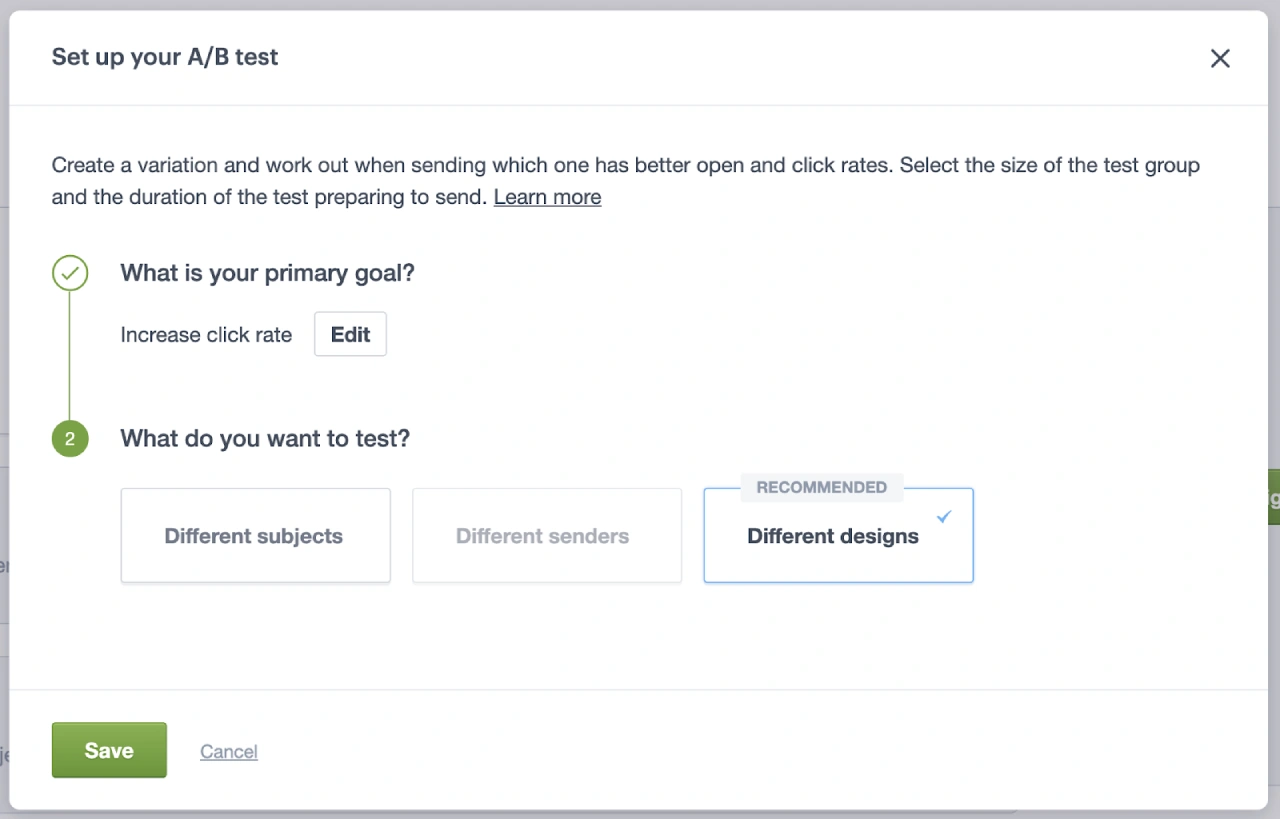
Campaign Monitor’s A/B testing engine allows you to test different subject lines with a portion of your audience before sending it to everyone, helping you identify what resonates best with your specific subscribers.

Read Next:
- How to Be an Email Subject Line Superhero
- Are You Using These 8 Subject Line Formulas to Get Your Emails Opened?
#6) Designing Mobile-Responsive Emails
With 60% of email opens occurring on mobile devices, mobile optimization is non-negotiable. Poorly displayed emails on phones create a negative impression of your startup and reduce engagement.
Mobile email design principles:
- Single-column layouts that adapt to any screen size
- Large, touch-friendly buttons (minimum 44×44 pixels)
- Concise copy with plenty of white space
- Web-safe fonts at 14px minimum size
- Small file sizes for images to ensure quick loading
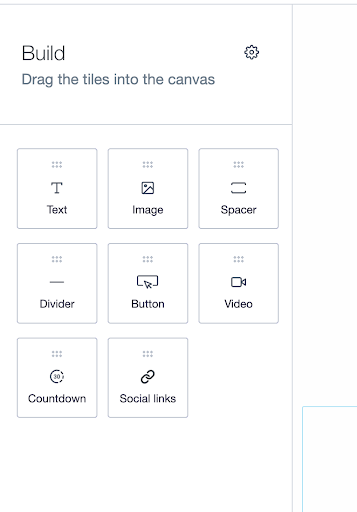
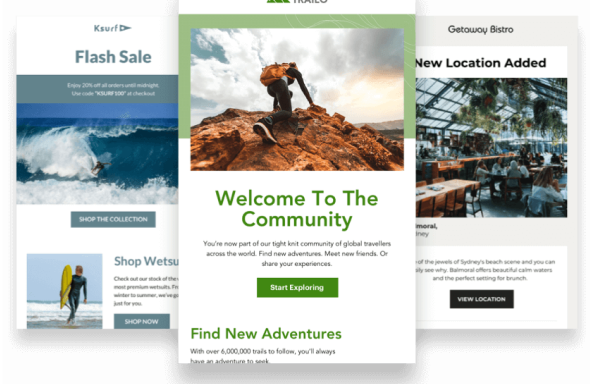
Campaign Monitor offers two easy paths to mobile-friendly emails: either select from their library of pre-built responsive templates for quick deployment, or create custom templates with their intuitive drag-and-drop builder where elements automatically adjust to different screen sizes. Either way, your emails will look professional across all devices without writing a single line of code.
Read Next: How to Maximize Your Responsive Email Design Efforts
#7) Implementing Personalization Strategies
Basic personalization like using a subscriber’s first name is now the minimum expectation. Advanced personalization based on behavior and preferences drives significantly higher engagement.
Effective personalization strategies for startups:
| Personalization Type | Example | Implementation Complexity |
|---|---|---|
| Basic | Using subscriber’s name in subject line | Low |
| Segmentation-based | Different content for different user types | Medium |
| Behavior-based | Recommendations based on past purchases | Medium-High |
| Predictive | Content based on likely future interests | High |
Campaign Monitor’s dynamic content blocks allow you to show different content to different subscribers within the same email. For example, you could show different case studies to subscribers based on their industry, or different product recommendations based on past purchases.
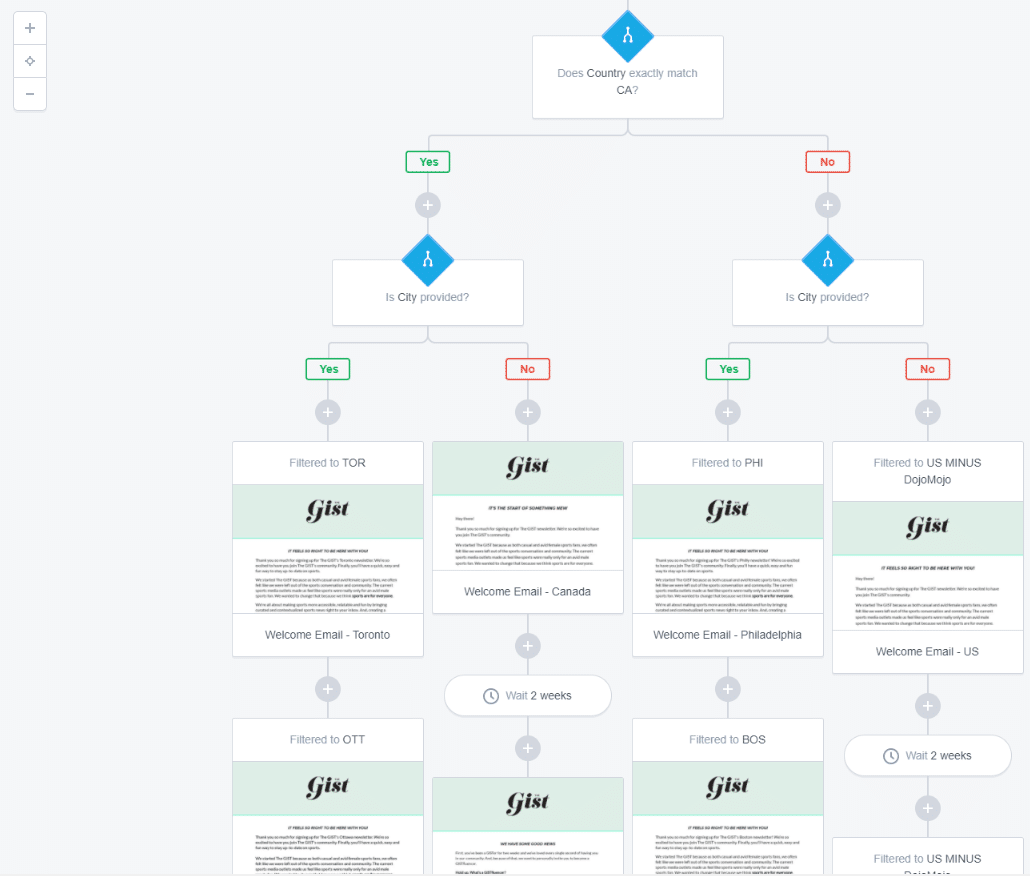
The GIST, a women-led media brand, used Campaign Monitor’s dynamic content blocks to show content and stories relevant to the individual subscriber. This approach paired with other strategies helped them achieve 2x the average industry open rate.

Read Next:
- The Power of Email Personalization to Reach Humans (Not Just Inboxes)
- How to Use Personalization in Your Email Marketing Campaigns
#8) Leveraging Email Automation
For resource-constrained startups, automation is essential for scaling email marketing efforts without increasing workload. Setting up key automated workflows early allows you to deliver timely, relevant messages triggered by specific actions or timeframes.
Essential automated workflows for startups:
- Welcome sequence (triggered by new signup)
- Onboarding series (triggered by free trial or account creation)
- Abandoned cart recovery (triggered by cart abandonment)
- Re-engagement campaign (triggered by inactivity)
- Post-purchase follow-up (triggered by purchase)
Example: SaaS onboarding automation flow
New Trial Signup → Welcome Email (Immediate)
                 → Getting Started Guide (Day 1)
                 → Feature Highlight #1 (Day 3)
                 → Feature Highlight #2 (Day 5)
                 → Success Story (Day 7)
                 → [If No Login] → Re-engagement Email (Day 8)
                 → [If Active] → Advanced Tips (Day 8)
                 → Trial Expiring Soon (Day 12)
                 → Last Chance Offer (Day 14)
                 → [If Converted] → Thank You + Next Steps
                 → [If Not Converted] → Feedback Request
This type of automation ensures consistent communication throughout the customer journey while allowing your team to focus on other priorities.
Campaign Monitor’s automated customer journeys feature allows you to create these behavior-triggered workflows automatically, without requiring technical knowledge.

Read Next: How to Grow Your Business with Email Marketing Automation
#9) Compliance and Legal Considerations
Email marketing regulations like GDPR, CAN-SPAM, and CCPA impose significant requirements on how you collect, store, and use email addresses. Non-compliance can result in substantial fines and damage to your startup’s reputation.
Key compliance requirements:
- Explicit consent before adding someone to your list
- Clear identification of your company in every email
- Easy unsubscribe option in every message
- Accurate subject lines that reflect email content
Campaign Monitor automatically appends opt-out language to comply with regulations.
Measuring Email Marketing Success
Without proper measurement, you can’t optimize your email marketing strategy. Tracking the right metrics helps you understand what’s working and where improvements are needed.
Key Metrics to Track
While many metrics are available, focus on those that directly tie to your business objectives.
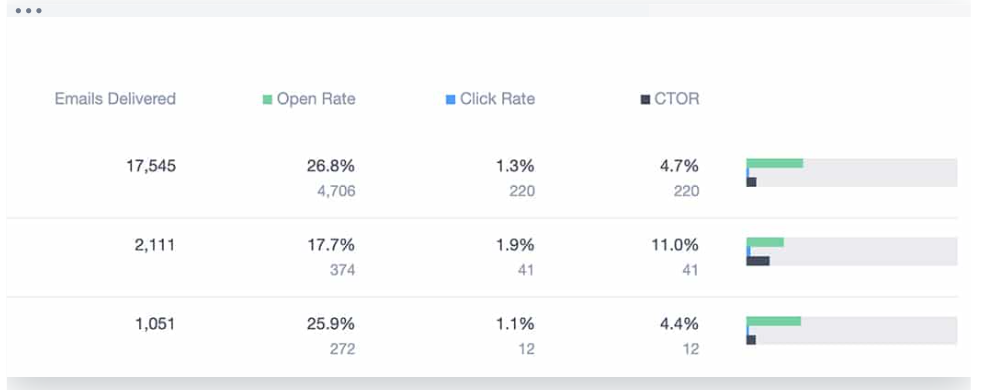
Essential email metrics for startups:
| Metric | What It Measures | |
|---|---|---|
| Open rate | Percentage of recipients who open your email | |
| Click-through rate | Percentage of recipients who click a link | |
| Conversion rate | Percentage of clickers who complete desired action | |
| List growth rate | Net percentage growth of your list over time | |
| Unsubscribe rate | Percentage who opt out after each send | |
| Revenue per email | Average revenue generated by each email sent |
Campaign Monitor’s full engagement reports provide comprehensive metrics across all email types, allowing you to track performance and identify trends over time.
A/B Testing for Continuous Improvement
A/B testing allows you to make data-driven decisions about your email marketing strategy by comparing different versions of your emails to see which performs better.
Elements worth testing:
- Subject lines: Length, personalization, urgency
- Send times: Day of week, time of day
- Call-to-action: Button color, text, placement
- Email length: Short vs. long-form content
- Images: With vs. without, different styles
For startups with smaller lists, focus on testing elements with the biggest impact (usually subject lines) to ensure statistical significance. As your list grows, you can test more subtle variations.
Campaign Monitor’s testing tools allow you to test subject lines, content blocks, or CTAs to optimize every aspect of your emails.
Read Next:
Case Studies of Startups Driving Growth (+ Revenue) with Email Marketing
Case Study: On Running

On, a performance running shoes and clothing retailer from Switzerland, uses innovative technology to create distinctive running experiences for customers worldwide.
Strategy: On leveraged Campaign Monitor’s automation capabilities:
- Location-based personalization: Automated emails triggered by city-based map downloads
- Behavior-based personalization: Delivering targeted content based on customer interests and activity
- Referral program automation: Creating trackable referral links that reward community building
Results:
- 20% of e-commerce sales attributed to email marketing
- 10% higher engagement rates on personalized campaigns
- Expanded community through referral rewards program
On’s success comes from delivering relevant content at the perfect moment in each customer’s journey.
Case Study: The GIST
The GIST, a female-led sports media startup, needed to build a community-first voice in the male-dominated sports media landscape.
Strategy:
Using Campaign Monitor, The GIST implemented:
- Dynamic content blocks to show content and stories relevant to the individual subscriber.
- Automated onboarding journey based on subscriber source and location
- A/B testing for data-driven content optimization
Results:
- 233% increase in email list (from 30,000 to 100,000) in under 12 months
- Open rates double the industry average
- 75% less time spent building segmented emails
- Welcome journey that includes origin-based messaging and referral invites
The GIST’s success demonstrates how startups can use email marketing to build community and drive rapid growth, even in established industries.
Email Marketing Best Practices for Maintaining Long-Term Engagement
Creating a sustainable email marketing program requires strategies that keep subscribers engaged over time, not just during initial campaigns.
Creating a Content Calendar
A content calendar helps you plan email campaigns strategically rather than scrambling for ideas at the last minute.
Effective content calendar elements:
- Regular themes that subscribers can anticipate
- Alignment with product launches and company milestones
- Seasonal content when relevant to your audience
- Balance of promotional and educational content
- Space for responsive campaigns based on news or trends
Plan your calendar quarterly, with monthly reviews to ensure it remains aligned with business goals and subscriber interests.
Integrating Email with Other Marketing Channels
Email marketing shouldn’t exist in isolation. Integrating it with your other marketing channels creates a cohesive customer experience and amplifies results.
Cross-channel integration strategies:
| Channel | Integration Tactics |
|---|---|
| Social media | Share email content snippets, promote newsletter signups |
| Content marketing | Use blog content in emails, drive email subscribers to new posts |
| Paid advertising | Retarget email subscribers with relevant ads, use email lists for lookalike audiences |
| Customer support | Trigger emails based on support interactions, include support options in emails |
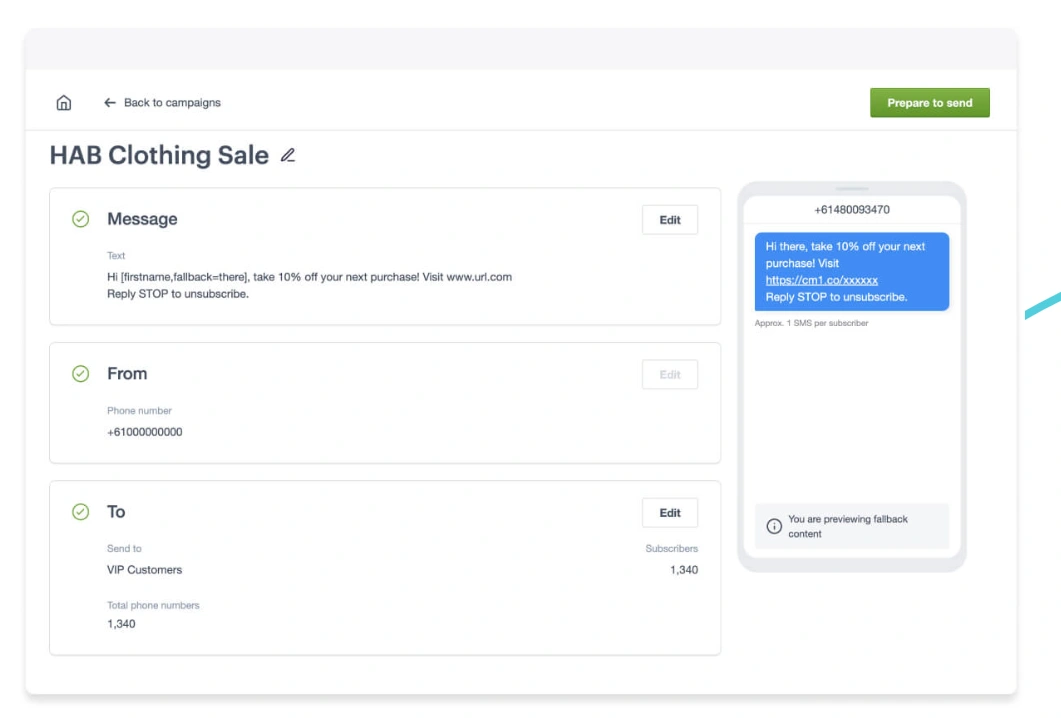
| SMS Marketing | Sequence short texts with detailed emails (welcome text → brand story email, reminder text → abandoned cart email) |
Campaign Monitor integrates with tools like Salesforce, Shopify, and WordPress while offering both email and SMS marketing from a unified dashboard. Create powerful cross-channel journeys where texts drive immediate action and emails deliver detailed content—like welcome texts with discount codes followed by brand story emails.
Continuous Learning and Optimization
The most successful email marketers are constantly learning and refining their approach based on results and industry trends.
Ongoing optimization practices:
- Regular performance reviews (at least monthly)
- Subscriber surveys to gather direct feedback
- Competitive analysis of other brands’ email marketing strategy
- Testing new approaches with experiments
- Industry education through blogs, webinars, and courses
Start by establishing your baseline metrics, then set progressive improvement goals. For example, if your current open rate is 18%, aim to reach 20% within three months through systematic testing and optimization.
Read Next: How to Grow Your Business with Email Marketing Automation
Email Marketing That Scales With Your Startup
Email marketing remains one of the most powerful tools in a startup’s arsenal, offering unmatched ROI and direct customer communication. By implementing the strategies in this guide, you’ll build a sustainable email program that drives growth at every stage of your business.
Remember these key takeaways:
- Start with clear goals and a deep understanding of your audience
- Build your list ethically and warm up your domain properly
- Implement essential email types that guide customers through their journey
- Use automation to scale your efforts without increasing workload
- Continuously test and optimize based on performance data
P.S. Campaign Monitor makes implementing these strategies straightforward with their intuitive platform designed for growing businesses. Their drag-and-drop editor, powerful automation tools, and detailed analytics help you create professional email campaigns that drive real results—even without a dedicated marketing team.
Read Next:


Send personalized messages to the right audience
From personalized subject lines to dynamic content to send time optimization, Campaign Monitor helps you build campaigns catered to every last subscriber.
Learn More
Case Study
Discover how this media brand grew their email list from 30k to 100k in less than a year.
Learn how
The email platform for agencies
We started out helping agencies with email, so let us help you.